%20EASY%20LEVEL%20-%20SHADOW.png)
Best Practices for Installing Tiles Like a Pro

Installing tiles might seem daunting, but with the right tips and techniques, you can achieve a professional-looking finish. This post will guide you through best practices for tile installation, provide actionable recommendations, and ensure your project is successful. Whether you’re a DIY enthusiast or a seasoned pro, mastering these tile techniques will elevate your installations.
Understanding Tile Techniques
By understanding different tile techniques, you’ll be better equipped to tackle any project. The first thing to consider is whether you will be installing floor tiles, wall tiles, or both. Each type has subtly different methods.
When it comes to floor tiles, you will want to ensure they can withstand foot traffic and potential moisture. For wall tiles, aesthetics are often a priority, but proper installation methods still matter for longevity and durability.
You can use various between tile methods such as straight setting, diagonal setting, or even a herringbone pattern. Each technique can significantly alter the look and feel of your space. Choose one that complements your design vision while also considering practical aspects like tile size and room dimensions.
Gathering Essential Tools and Materials
Before you start, gather all the tools and materials you will need. This preparation can save you a lot of time and frustration later. Here’s a list of essentials:
Tiles: Choose the right type based on your project.
Thin-set mortar: This will act as the adhesive.
Trowel: For applying the thin-set mortar.
Tile cutter: For cutting tiles to fit around edges and corners.
Level: To ensure that your tiles are installed evenly.
Grout: To fill the spaces between tiles.
Sponge and water: For clean-up.
Having these tools on hand can make the tile installation process smoother. Remember, quality materials lead to better outcomes, so don’t skimp on your selections.
What is the 1 3 rule for tile?
In tile installation, the "1 3 rule" is crucial. It states that when installing tiles, any piece that is smaller than one-third the length of the tile should not be used at a visible edge. Let's say you're working with 12-inch tiles. If you have to cut a piece smaller than 4 inches, it’s best to avoid using that piece in a prominent area. Instead, try to reposition your layout to prevent unsightly cuts.
Following this rule not only enhances aesthetics but also serves a practical purpose. Smaller pieces are more prone to breakage and might not bond as well with the adhesive. Stick to the 1 3 rule to maintain a professional look.

Preparing the Surface
Preparation is key for a successful tile installation. Start by ensuring that the surface on which you will be installing the tiles is clean, dry, and smooth. Remove any old materials, grime, or dust to ensure proper adhesion.
If you are tiling a floor, check for uneven spots. You can level the surface using a floor leveling compound. For tile installation on walls, make sure your drywall or cement board is in good condition without any holes or flaking paint.
Additionally, ensure that your room is at a moderate temperature, ideally between 60°F and 80°F, to ensure optimal adhesion.
Dry Layout Before Installation
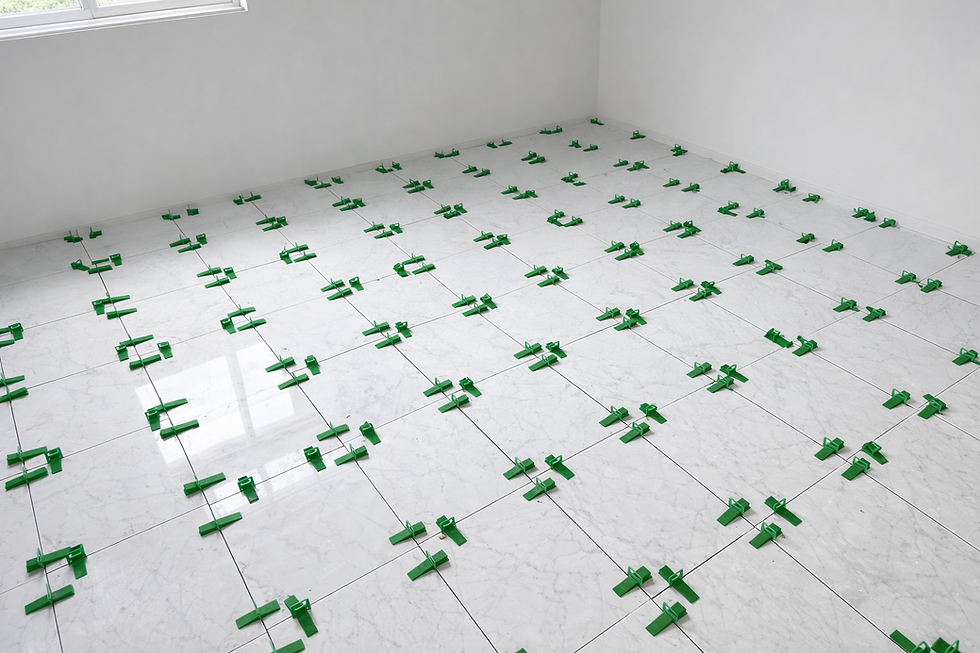
Before you commit to the adhesive, it's wise to do a dry layout of your tiles. This step involves placing the tiles in your desired pattern without adhering them first.
You should start in the center of the room and work your way outwards. This method allows you to see how the tiles will fit together and whether any cuts will be necessary. Adjust the layout, if needed, to avoid having small slivers of tiles on the edges, which can severely detract from the final look.
Doing this in advance can save you a lot of headaches later. Once you are satisfied with your layout, mark the positions lightly with a chalk line for reference during installation.

Using the Right Adhesive
Selecting the right adhesive is essential and depends on various factors, including tile type and the installation surface. Thin-set mortar is the most common adhesive used for tile installation, but it may not be suitable for every situation.
For instance, if you’re working with glass or porcelain tiles, look for a specific type of thin-set that is compatible with those materials. If you are tiling over concrete, consider using a modified thin-set that can better adhere to that porous surface.
Always follow the manufacturer’s instructions regarding mixing and application, as improper preparation can lead to costly failures down the road.
Grouting Like a Pro
Once the tiles are securely laid and the adhesive has cured, it's time to grout. Grouting not only fills in the spaces between your tiles but also prevents moisture from penetrating beneath them.
Start by applying grout using a rubber float, pressing it into the gaps. Make sure to work diagonally across the tiles to avoid displacing them. After it has set for a few minutes, use a damp sponge to wipe away excess grout from the tile surfaces, being careful not to disturb the grout lines.
Allow the grout to cure fully before sealing. A good sealant can provide additional protection from moisture and stains, enhancing the longevity of your tile installation.
Maintaining Your Tile
The final step in ensuring your tile looks its best is proper maintenance. Regular cleaning should be part of your routine. Use a mild detergent and water solution to clean the surfaces regularly. Avoid harsh chemicals that can damage the tiles or grout.
Additionally, consider resealing your grout every few years. This step is vital for moisture protection and can help prevent mold or mildew from forming. Basic upkeep will keep your tiles looking new and extend their life significantly.
By following these best practices for installing tiles, you'll be able to achieve a result that not only looks professional but will stand the test of time. Nothing feels quite like walking on a newly tiled floor or seeing a beautifully tiled wall, knowing you did it yourself.
Be sure to check out more about tile installation techniques for additional ideas and best practices that can enhance your project. Happy tiling!


Comments